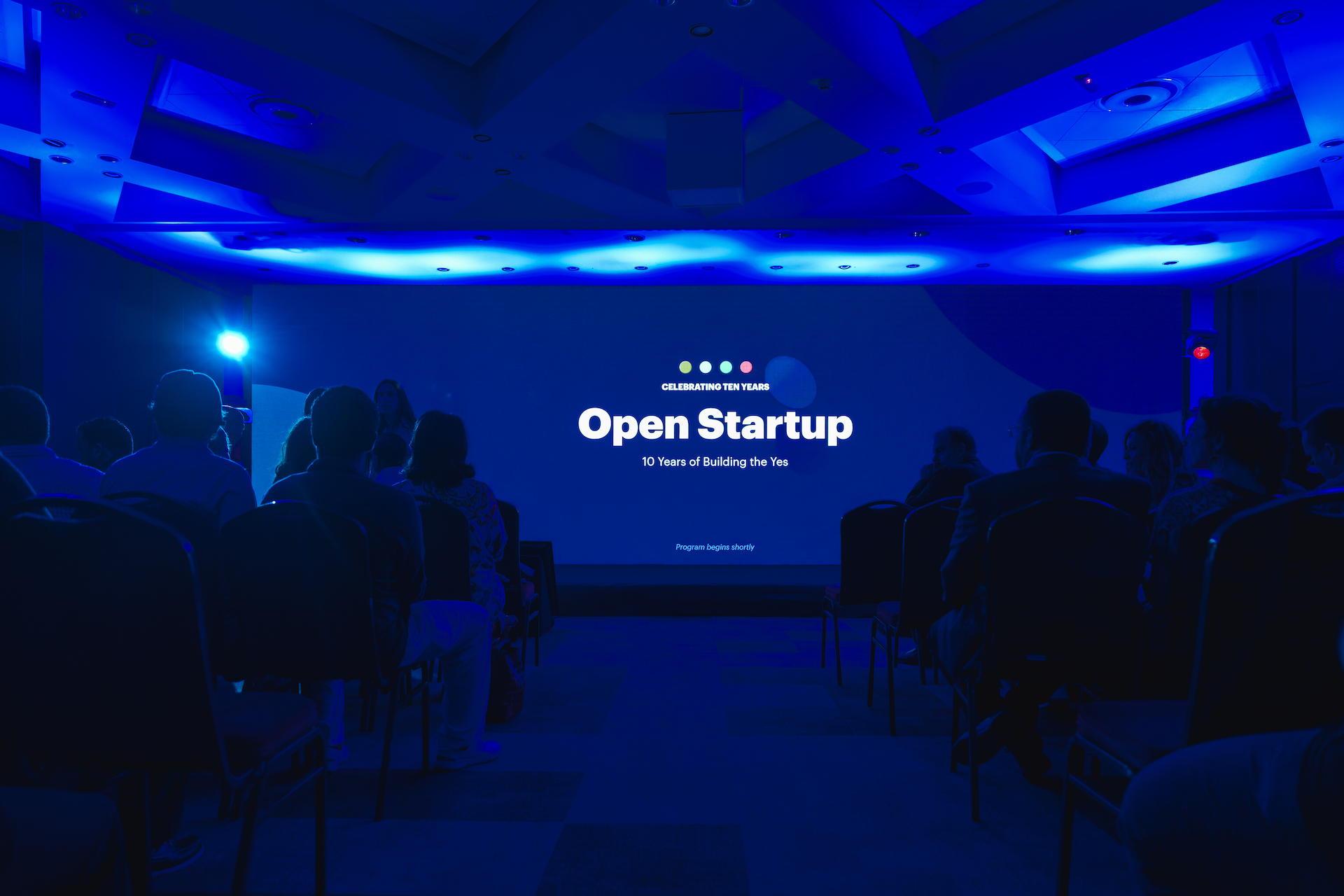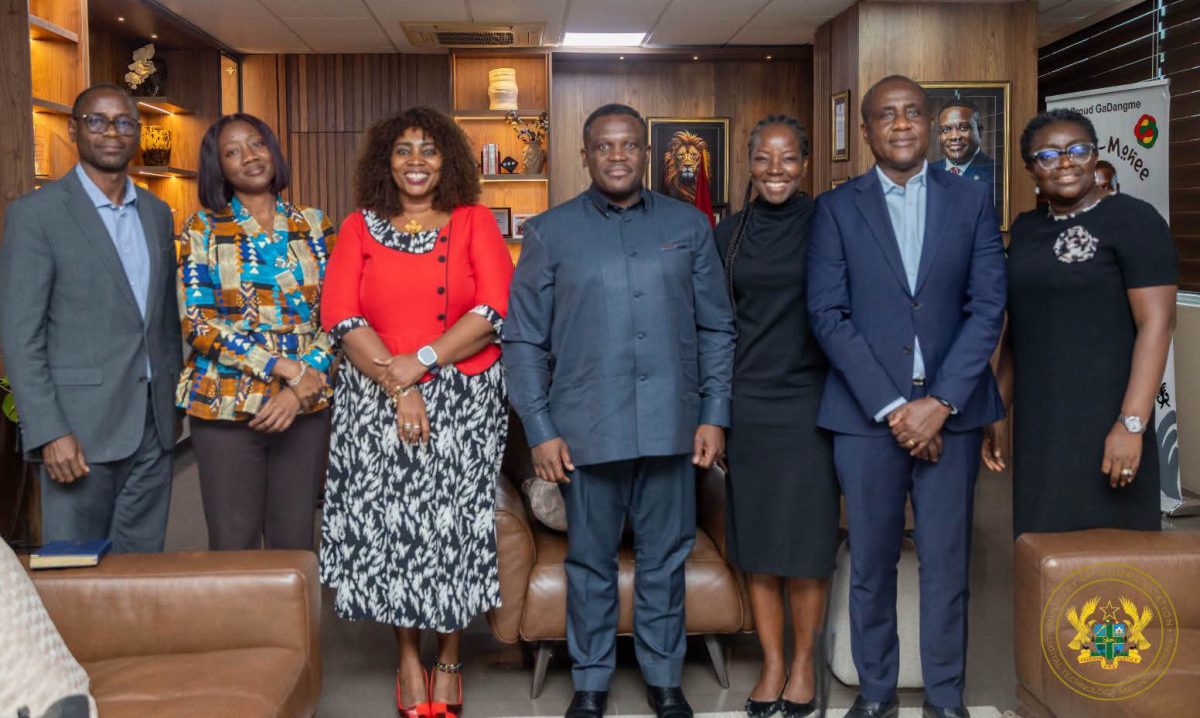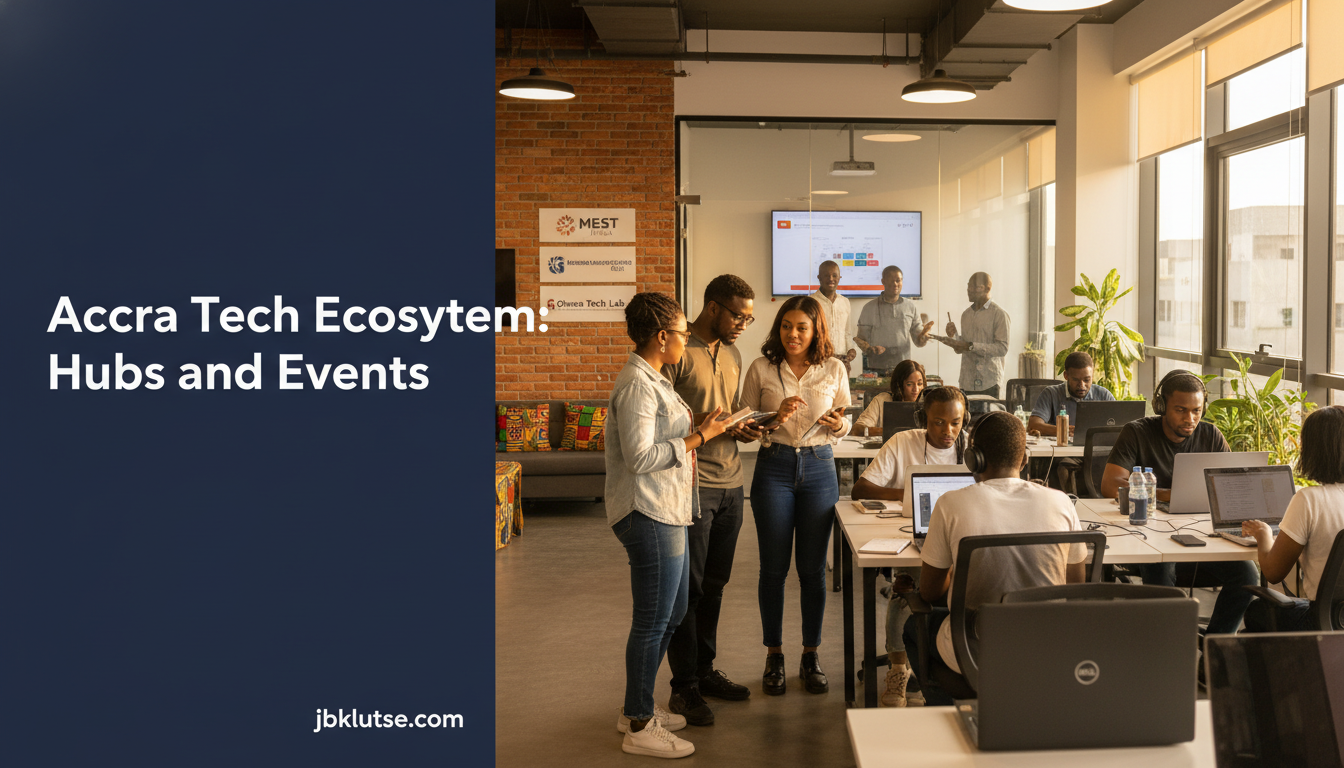
The Accra tech ecosystem is the network of incubators, accelerators, coworking spaces, investor meetups, and developer conferences that support founders from idea stage to exit. Centred in Accra but extending to Kumasi, Takoradi, and Tamale, this ecosystem includes established players like MEST Africa, government-backed labs like Ghana Tech Lab, and grassroots communities like GDG Accra. This guide maps every major hub, event calendar, funding gateway, and community touchpoint you need to navigate Ghana’s startup infrastructure in 2026.
Table of Contents
- TL;DR
- What Is the Accra Tech Ecosystem?
- Why the Ecosystem Matters in Ghana
- The Ecosystem Map: Hubs, Accelerators, Events
- Incubators and Accelerators
- Event Calendar
- Network Coordination
- Ecosystem Services and Costs Comparison
- How to Plug Into the Ecosystem
- Common Mistakes and Fixes
- FAQs
- Related Reads
- Closing
- Sources
TL;DR
- Ghana’s tech ecosystem is concentrated in Accra with 15+ active incubators and accelerators, led by MEST Africa and Kosmos Innovation Center
- Major annual events like DevFest Ghana and AfricArena Ghana draw 500, 2,000 attendees and connect founders with investors
- The Ghana Hubs Network coordinates 30+ hubs nationwide, creating shared resources and policy advocacy
- Monthly developer meetups via GDG, Facebook Developer Circles, and Women Who Code Accra offer free skill-building and networking
- iSpace Foundation provides coworking space and mentorship for early-stage founders, with desk space from GHS 50 per day (April 2026)
What Is the Accra Tech Ecosystem?
The Accra tech ecosystem is the physical and digital infrastructure that supports technology entrepreneurship in Ghana. It includes incubators that offer workspace and mentorship, accelerators that provide cohort-based training and seed funding, coworking hubs that rent desk space, investor networks that facilitate capital deployment, and community events that build skills and connections. The ecosystem serves three audiences: founders building startups, developers seeking skills and jobs, and investors searching for deal flow.
Ghana’s ecosystem counted 22 active incubators and accelerators as of March 2026, per a Ghana Hubs Network census. Accra hosts 15 of these, Kumasi has 4, Takoradi and Tamale each have 2. The startup funding landscape in Ghana saw USD 87 million (~GHS 965 million at April 2026 rates) deployed across 41 deals in 2025, according to Briter Bridges data, with 60% of those deals touching at least one ecosystem hub for due diligence or post-investment support.
Why the Ecosystem Matters in Ghana
Ghana lacks the venture capital density of Nigeria or Kenya but compensates with structured support programs and regional coordination. Hubs like MEST Africa have trained 300+ founders since 2008, with alumni companies raising USD 140 million (~GHS 1.55 billion at April 2026 rates) cumulatively. Kosmos Innovation Center launched 60 agritech and cleantech ventures in its first four years, creating 480 jobs.
The ecosystem reduces the cost of failure for first-time founders. Instead of renting office space at GHS 2,000–5,000 per month (April 2026) on the private market, a founder can access coworking at iSpace Foundation for GHS 50 per day (April 2026) or apply to a government-backed program like Ghana Tech Lab, which offers free workspace and GHS 10,000 (April 2026) seed grants. Events like DevFest Ghana and monthly GDG meetups provide technical skill-building at zero cost, critical in a market where formal training is scarce.
Policy momentum is accelerating. The National Entrepreneurship and Innovation Plan (NEIP) allocated GHS 45 million (April 2026) for hub operations and founder grants. The Ministry of Communications and Digitalisation launched a hub certification program in January 2026 to standardise service quality and unlock tax incentives. This coordination strengthens the ecosystem’s ability to lobby for founder-friendly regulation and capital.
The Ecosystem Map: Hubs, Accelerators, Events
Incubators and Accelerators
MEST Africa is the ecosystem anchor. Founded in 2008 with backing from Meltwater Foundation, MEST runs a 12-month Entrepreneurial Training Program that combines MBA-level business training, software development, and equity investment. Graduates receive USD 50,000–250,000 (~GHS 555,000–2.77 million at April 2026 rates) in seed funding. MEST’s Accra campus in Labone seats 150 entrepreneurs and hosts pitch events quarterly. Alumni include Yenepay (Ethiopia’s PayPal alternative) and Saya (marketplace for African fashion).
Kosmos Innovation Center focuses on energy and agriculture, reflecting its sponsor Kosmos Energy’s sector expertise. The center runs two 6-month cohorts per year, providing GHS 20,000 (April 2026) stipends, technical mentorship from Kosmos engineers, and connections to corporate buyers. KIC’s model suits hardware startups and rural impact ventures, not consumer apps.
Ghana Tech Lab, backed by the Ghana Investment Fund for Electronic Communications (GIFEC), targets digital infrastructure startups. The lab provides free office space at its Accra Digital Center location, access to government data APIs, and fast-track introductions to ministries for pilots. Cohort size is 20 startups per cycle, with GHS 10,000 (April 2026) non-equity grants.
iSpace Foundation is the community hub. Located in Labone near MEST, iSpace offers coworking memberships from GHS 50 per day or GHS 800 per month (April 2026), plus training workshops, pitch practice sessions, and networking events. iSpace does not take equity and does not provide funding, positioning it as a neutral gathering point for the ecosystem.
Event Calendar
Tech events in Ghana peak in three seasons: January, March (post-holiday launch period), June, July (midyear pitch season), and November, December (year-end investor meetings and conferences).
DevFest Ghana, organised by Google Developer Group Accra, is the largest developer conference in West Africa. The 2025 edition drew 1,800 attendees to Accra International Conference Centre, with 40 speakers covering Android, Flutter, cloud, AI, and web development. DevFest runs in November annually, with tickets at GHS 50 for students, GHS 150 for professionals (April 2026). Sessions are recorded and posted on YouTube within two weeks.
AfricArena Ghana is the investor-focused counterpart. Held in June, AfricArena brings 200 investors and 80 startups to Accra for pitch battles, panel discussions, and one-on-one meetings. The event charges GHS 500 (April 2026) for founders, free for investors. AfricArena operates across 10 African cities but returns to Ghana every two years, alternating with Lagos and Nairobi.
Monthly meetups sustain the ecosystem between major events. GDG Accra runs monthly Android and web development workshops at iSpace, free to attend. Facebook Developer Circles Accra hosts monthly React and Node.js sessions. Women Who Code Accra runs twice-monthly meetups focused on Python, data science, and career mentorship for women in tech. All meetups are free and advertised via Telegram and Eventbrite.
Network Coordination
The Ghana Hubs Network is the national coordinating body for incubators, accelerators, and coworking spaces. Founded in 2017, the network counts 32 member hubs as of April 2026, spanning Accra, Kumasi, Takoradi, Tamale, and Cape Coast. The network lobbies government for hub funding, negotiates group discounts on cloud credits and legal services, and runs an annual Hub Leaders Summit to share best practices. Membership is GHS 2,000 per year (April 2026), open to any registered hub operating for at least 12 months.
Ecosystem Services and Costs Comparison
| Hub / Service | Type | Cost | Equity Taken | Notable Feature |
|---|---|---|---|---|
| MEST Africa | Incubator + Accelerator | Free (application competitive) | 15–25% | USD 50K–250K (~GHS 555K–2.77M at April 2026 rates) seed funding + 12-month training |
| Kosmos Innovation Center | Accelerator | Free (energy/agritech focus) | None | GHS 20K (April 2026) stipend + corporate buyer intros |
| Ghana Tech Lab | Government Incubator | Free (GIFEC-backed) | None | GHS 10K (April 2026) grant + API access to gov data |
| iSpace Foundation | Coworking + Community | GHS 50/day, GHS 800/month (April 2026) | None | Neutral hub, no funding but high networking |
| Impact Hub Accra | Coworking | GHS 1,200/month (April 2026) | None | Global network, 100+ locations |
| Innohub Ghana | Coworking | GHS 700/month (April 2026) | None | Budget option, basic amenities |
Prices as of April 2026. Equity terms for MEST vary by deal size and founder experience.
How to Plug Into the Ecosystem
Step 1: Identify your stage. Pre-idea founders need community and education. Apply to GDG Accra meetups or iSpace workshops. Idea-stage founders with a prototype need validation and early users. Join MEST Africa’s Entrepreneurial Training Program or Ghana Tech Lab. Growth-stage startups with revenue need capital and scale advice. Target AfricArena pitch events and apply to investor networks.
Step 2: Attend one major event per quarter. Mark DevFest Ghana (November), AfricArena Ghana (June), and at least two smaller pitch nights or demo days. Events are the fastest way to meet mentors, cofounders, and investors. Bring business cards and a 60-second pitch.
Step 3: Join a coworking space for at least 3 months. Remote work saves rent but isolates you. Coworking at iSpace or Impact Hub costs GHS 800–1,200 per month (April 2026), less than a solo office, and yields daily serendipity. You overhear who is hiring, who just raised, which investor is in town.
Step 4: Apply to at least two programs per year. Accelerator acceptance rates range from 3% (MEST Africa) to 15% (Kosmos Innovation Center). Apply broadly. Even rejections yield feedback on your pitch and business model.
Step 5: Contribute back. Speak at meetups, mentor younger founders, share your pitch deck template, introduce portfolio companies to customers. The ecosystem strengthens when knowledge flows both ways. Successful Ghanaian founders attribute their wins to reciprocal relationships, not one-way asks.
Common Mistakes and Fixes
Mistake 1: Applying to every program regardless of fit. Fix: Read the program thesis. Kosmos funds energy and agritech. MEST favours tech-enabled services with Pan-African ambition. A fintech app will waste months applying to Kosmos. Match your sector and stage.
Mistake 2: Skipping events because “networking is awkward.” Fix: Attend with a goal. “I will meet three people and ask what problem they are solving” is more actionable than “I will network.” Major events publish attendee lists. Message three people before the event to schedule coffee.
Mistake 3: Treating ecosystem programs as free money. Fix: Equity matters. MEST takes 15–25%, fair for USD 50K–250K (~GHS 555K–2.77M at April 2026 rates) plus training, but catastrophic if you dilute that much for GHS 10K (April 2026) and a desk. Understand cap tables before signing.
Mistake 4: Ignoring hubs outside Accra. Fix: Kumasi and Takoradi hubs serve underserved markets. Rent is cheaper, user feedback is easier to collect, and competition is lower. Ghana Hubs Network lists regional hubs. Visit at least one per year.
Mistake 5: Not following up after events. Fix: Send a LinkedIn message or email within 48 hours. “Great to meet you at DevFest. I would value 15 minutes to get your feedback on our MVP.” Attach a one-pager. Most connections die because founders assume the investor will reach out first.
FAQs
Which hub should I join as a first-time founder?
Start with iSpace Foundation for GHS 800 per month (April 2026) coworking and community access. Once you have a validated prototype, apply to MEST Africa or Ghana Tech Lab for structured acceleration and funding.
Do I need to be in Accra to access the ecosystem?
No. Ghana Hubs Network lists hubs in Kumasi, Takoradi, and Tamale. Many programs like Kosmos Innovation Center accept founders nationwide. Virtual attendance is possible for GDG meetups and some pitch events.
How much equity do accelerators typically take?
MEST Africa takes 15–25%. Most other Ghana-based programs take none. Kosmos, Ghana Tech Lab, and iSpace do not take equity. Always read the term sheet before signing.
Are ecosystem events free to attend?
Monthly GDG and Developer Circles meetups are free. DevFest Ghana costs GHS 50–150 (April 2026). AfricArena is GHS 500 (April 2026) for founders, free for investors. Check the full event calendar for pricing.
Can I join multiple hubs at once?
Yes. Many founders cowork at iSpace while participating in MEST’s training program. Avoid overlapping equity commitments and conflicting exclusive partnerships.
How do I stay updated on new events and opportunities?
Follow Ghana Hubs Network, MEST Africa, and @jbklutsemedia on X. Join the Ghana Startups Telegram group (3,200+ members) and the GDG Accra Slack workspace.
Related Reads
- Zoom out: Startups & VC in Ghana: Complete Guide
- Deep-dives within this hub:
- MEST Africa: Complete Review
- Major Tech Events in Ghana 2026
- DevFest Ghana: What to Expect
- Ghana Hubs Network
- Ghana Tech Lab
- Kosmos Innovation Center Review
- Tech Meetups in Accra: GDG, Developer Circles
- iSpace Foundation
- AfricArena in Ghana
- Related hubs:
- Ghanaian Founder Stories and Profiles
- Starting a Tech Company in Ghana: Practical Guide
- Ghanaian Startups to Watch: Ecosystem Profiles
Closing
The Accra tech ecosystem is your unfair advantage as a Ghanaian founder. Use it deliberately. Attend events, apply to programs, cowork alongside peers, and contribute your knowledge back. The density of talent and capital in Accra today exceeds what Lagos had in 2015 and what Nairobi had in 2012. The next USD 100 million (~GHS 1.11 billion at April 2026 rates) exit is being built in this ecosystem right now.
Subscribe to our weekly founder briefing: follow us on X at @jbklutsemedia for funding alerts, event calendars, and policy updates.
Sources
- Ghana Hubs Network 2026 Census (March 2026)
- Briter Bridges Ghana Startup Funding Report 2025
- MEST Africa Annual Report 2025
- GIFEC Ghana Tech Lab Program Documentation (January 2026)
- Ministry of Communications and Digitalisation Hub Certification Policy (January 2026)
- DevFest Ghana 2025 Post-Event Report
- AfricArena Ghana 2025 Attendee Survey
- iSpace Foundation Membership Data (April 2026)