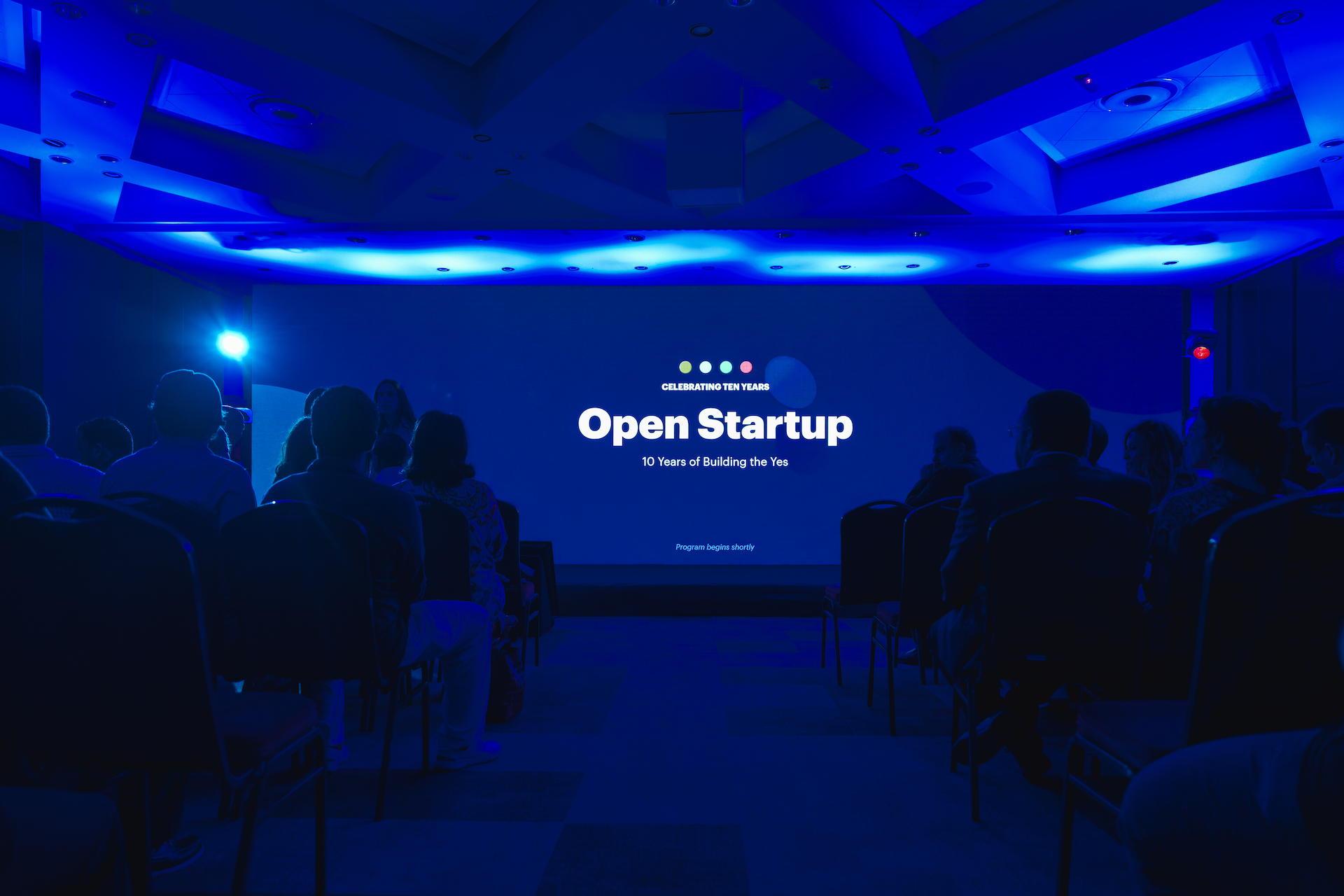
iSpace Ghana is a nonprofit technology hub in Labone, Accra, offering free coworking space, startup incubation, training programs, and community events for entrepreneurs, developers, and designers across the country. Founded in 2013 by Josiah Eyison, the hub has supported over 3,000 entrepreneurs, hosted more than 500 events, and incubated dozens of startups that have raised seed funding or gone on to join accelerators like MEST and Meltwater. This review covers membership tiers, active programs, workspace amenities, how to apply, and what makes iSpace one of the longest-running community hubs in Ghana’s tech ecosystem.
iSpace operates as a bridge between aspiring founders and the resources they need to build scalable businesses. The hub’s focus on accessibility, no membership fees, and its location in central Accra make it a starting point for many first-time entrepreneurs who cannot afford premium coworking rates or accelerator entry requirements.
TL;DR
- Free membership with open coworking, no daily fees or application barriers
- Programs include iSpace Academy (coding bootcamps), startup incubation, founder meetups, and annual pitch competitions
- Located at No. 5 Papaye Street, Labone, Accra, near the US Embassy
- 24/7 access for incubatees, 8am-6pm public hours for general members
- Partnerships with Google Developer Group Accra, Microsoft, and local banks for training sponsorships
What iSpace Ghana Does
iSpace Foundation positions itself as a community hub rather than a traditional accelerator. The model prioritises access over selectivity. Any Ghanaian with a tech idea, a laptop, and the willingness to show up can walk in, register for free, and use the workspace.
The hub operates three core verticals:
1. Coworking & Community Space
The ground floor features hot desks, meeting rooms, high-speed internet (fiber connection from Busy Internet), power backup, and a small cafe area. Membership is free. Users register online or on-site, receive a member card, and can book desk space through the iSpace member portal. No daily fees. No time limits for general use during public hours.
Incubatees and program participants receive 24/7 access via keycard. General members access the space 8am to 6pm Monday through Friday, 10am to 4pm on Saturdays. The hub closes Sundays except for booked events.
2. Training & Capacity Building
iSpace Academy runs coding bootcamps, design sprints, and business development workshops. Programs vary by quarter but typically include:
- Web development fundamentals (HTML, CSS, JavaScript, React)
- Mobile app development (Flutter, React Native)
- UI/UX design using Figma
- Digital marketing and growth hacking
- Pitch deck creation and investor readiness
Bootcamps last 8 to 12 weeks, meet twice per week (evenings or Saturdays to accommodate working participants), and charge zero tuition. Funding comes from corporate sponsorships and donor grants. Participants pay only for their own laptops and transport.
Completion rates hover around 60 percent. Graduates receive certificates and automatic consideration for the incubation program if they have a viable startup concept.
3. Startup Incubation
The incubation track accepts 10 to 15 startups per cohort, runs for six months, and provides:
- Dedicated desk space with 24/7 access
- One-on-one mentorship from active founders and investors
- Legal and accounting support (partnerships with law firms and audit firms)
- Pitch training and investor introductions
- Access to iSpace’s alumni network (100+ past incubatees)
Incubation is also free. No equity taken. No fees charged. The application process opens twice per year, typically in January and July. Selection criteria focus on team composition, problem validation, and founder commitment rather than traction or revenue.
Past incubatees include Trotro Tractor (agtech logistics), Jetstream Africa (digital payments for SMEs), and several e-commerce and edtech startups that later raised pre-seed rounds or joined MEST and Kosmos Innovation Center programs.
Membership Tiers & Access Levels
iSpace Ghana does not operate a tiered paid membership system like Impact Hub Accra or Regus. All membership is free but structured by engagement level:
| Tier | Cost | Access | Perks |
|---|---|---|---|
| General Member | GHS 0 (April 2026) | 8am-6pm Mon-Fri, 10am-4pm Sat | Hot desk, WiFi, member events |
| Program Participant | GHS 0 (April 2026) | Program hours + coworking access | Bootcamp materials, certificates, alumni network |
| Incubatee | GHS 0 (April 2026) | 24/7 keycard access (6 months) | Mentorship, investor intros, legal support |
| Alumni | GHS 0 (April 2026) | Event invites, alumni Slack, partner discounts | Network access, speaking opportunities |
Registration happens online at ispace.com.gh or in person at the Labone office. New members complete a brief form (name, phone, email, area of interest) and receive a digital member card within 48 hours.
Key Programs & Events
iSpace Academy
Coding bootcamps and design workshops. Sessions run quarterly. Recent cohorts:
- Q1 2026: Frontend Web Development (12 weeks, 40 participants)
- Q4 2025: Mobile App Development with Flutter (10 weeks, 25 participants)
- Q3 2025: UI/UX Design Bootcamp (8 weeks, 30 participants)
Applications open 6 to 8 weeks before each cohort starts. Announcements go out via iSpace’s email list, X account, and WhatsApp community groups.
Startup Weekend Accra
iSpace co-hosts Startup Weekend events twice per year in partnership with Techstars and Google for Startups. The 54-hour hackathon format brings together 80 to 120 participants who form teams, build prototypes, and pitch to judges. Entry fee is GHS 50 (April 2026) to cover meals and T-shirts. Past winners have gone on to join iSpace’s incubation program.
The next Startup Weekend Accra is scheduled for September 2026. Registration opens in July at ispace.com.gh/startup-weekend.
Founder Fridays
Monthly evening meetups (last Friday of the month, 6pm to 8pm) featuring a founder or investor guest speaker, networking, and Q&A. Open to all members. Recent speakers included the CEO of Hubtel, the founder of Mpharma, and several angel investors from the Ghana Angel Investor Network.
Founder Fridays average 50 to 70 attendees. RSVP required via Eventbrite (free tickets, no-shows forfeit future RSVPs).
Demo Day
Twice per year, iSpace hosts a Demo Day where incubatees pitch to an audience of investors, corporate partners, and media. Each startup gets 5 minutes on stage plus 3 minutes for Q&A. Past Demo Days have attracted representatives from Oui Capital, 4DX Ventures, and several family offices.
Demo Days are invite-only for presenters but open to the public as audience members. Tickets are free. Register at ispace.com.gh/events.
How to Apply for Incubation
Applications open in January and July each year. The process:
- Submit online form at ispace.com.gh/apply (Google Form with sections on team, problem, solution, traction, commitment)
- Review period (2 weeks) , iSpace team evaluates applications based on problem clarity, team composition, and founder availability
- Interview , shortlisted teams (25 to 30 per cycle) attend a 20-minute interview at the hub
- Selection , 10 to 15 teams accepted per cohort, notified within one week of interviews
- Onboarding , accepted teams attend a kickoff session, receive keycard access, meet mentors, and set six-month milestones
Eligibility requirements:
- At least one cofounder must be Ghanaian or Ghana-based
- Team must be available for in-person sessions twice per week (evenings or weekends accommodated)
- Startup must be pre-seed or early stage (no minimum revenue requirement)
- Idea must address a problem in Ghana or West Africa
There is no application fee. Teams can reapply in future cycles if not selected.
Workspace Amenities & Practical Details
Location: No. 5 Papaye Street, off Osu Oxford Street, Labone, Accra. Walking distance from the US Embassy. Accessible by trotro (Osu-Labone route) or ride-hailing apps (standard Bolt fare from Accra Mall is GHS 12 to GHS 15, April 2026).
Facilities:
- 40 hot desks across two floors
- 3 meeting rooms (bookable via member portal, first-come-first-served, max 2 hours per booking)
- High-speed fiber internet (100 Mbps symmetric, backup 4G router)
- Power backup (diesel generator, kicks in within 30 seconds of ECG outage)
- Kitchen area with microwave, fridge, water dispenser
- Restrooms (maintained daily)
- Outdoor terrace for calls and breaks
Printing & Supplies: No on-site printing. Members use nearby print shops (Busylab Print on Oxford Street, 3-minute walk, GHS 0.50 per black-and-white page, April 2026).
Security: 24/7 on-site guard. Keycard access for after-hours entry (incubatees only). Visitors sign in at reception. Bags subject to inspection.
Parking: Limited street parking. No dedicated lot. Members typically use nearby paid lots (GHS 5 per day, April 2026) or arrive by public transport.
Ghana-Specific Considerations
iSpace Ghana’s free model makes it accessible to founders who cannot afford GHS 500 to GHS 1,200 per month (April 2026) coworking fees charged by Impact Hub Accra, Osu Workspace, or Accra Business Centre. This accessibility is both a strength and a constraint. The hub relies on donor funding and corporate sponsorships, which means program offerings fluctuate based on available grants. Training cohorts sometimes skip quarters if sponsorship gaps occur.
The hub’s partnership with Busy Internet ensures reliable connectivity, but mobile app developers testing on-device often supplement with their own Telecel, MTN, or AirtelTigo data bundles (typical monthly spend GHS 50 to GHS 100, April 2026, for testing).
Legal and accounting support during incubation comes from pro bono partnerships. Quality varies. Some incubatees report excellent guidance on company registration with the Registrar General’s Department, others note delays when volunteer lawyers are unavailable. Founders should confirm support availability during onboarding.
Investor introductions depend on iSpace’s network strength at the time. The hub has strong ties to local angels and family offices but limited direct access to Pan-African VCs like TLcom, Novastar, or Partech. Incubatees targeting venture-scale fundraising often need to supplement iSpace’s intros with their own outreach or by joining later-stage accelerators like MEST or Kosmos Innovation Center.
The hub’s Labone location is central but requires trotro or taxi access for founders outside Accra. Regional entrepreneurs from Kumasi, Takoradi, or Tamale face transport costs (GHS 80 to GHS 150 round-trip by bus, April 2026) and time barriers. iSpace has piloted remote participation for some bootcamps via Zoom, but incubation remains in-person only.
FAQs
Can I use iSpace as a full-time coworking space if I am not in a program?
Yes. General members can use the hot desks during public hours (8am-6pm Monday-Friday, 10am-4pm Saturday) at no cost. If you need 24/7 access, apply for the incubation program or inquire about becoming a program volunteer or mentor (which can grant extended access).
Does iSpace take equity from incubated startups?
No. iSpace Foundation is a nonprofit and does not take equity, charge fees, or require revenue shares. All support is free. The hub’s funding comes from corporate sponsorships, grants, and individual donations.
How competitive is the incubation program application?
Acceptance rates hover around 40 to 50 percent. The January cycle typically sees 25 to 30 applications for 10 to 15 spots. July cycles are less competitive (20 to 25 applications). Selection prioritises team commitment and problem clarity over existing traction.
Can non-Ghanaians apply for programs or membership?
Yes. Non-Ghanaians living in Ghana can join as general members or apply for programs. For incubation, at least one cofounder must be Ghanaian or have long-term residency. Remote participants outside Ghana are not eligible for incubation but can join bootcamps if they attend in person for key sessions.
What happens after the six-month incubation period ends?
Graduates join the alumni network, receive ongoing event invites, and can continue using the workspace as general members (reverting to public hours access). Some alumni arrange informal desk sharing with current incubatees. The hub offers no formal post-program follow-on funding but connects alumni to investors and later-stage accelerators.
Does iSpace provide funding or grants to startups?
No direct funding. The hub occasionally facilitates pitch competitions with cash prizes (GHS 5,000 to GHS 10,000, April 2026) sponsored by banks or corporates, but these are infrequent. Incubatees seeking capital must raise from external investors or apply to grant programs like the Ghana Enterprises Agency or African Development Bank schemes.
How does iSpace compare to MEST or Kosmos Innovation Center?
iSpace is a community hub with no application barriers and no equity stake. MEST and Kosmos are selective accelerators that take equity, provide stipends, and offer structured curricula. Many founders start at iSpace for early validation, then apply to MEST or Kosmos for growth-stage support. The three hubs often collaborate on events and refer startups to each other.
What is the best way to stay updated on iSpace programs and events?
Join the email list at ispace.com.gh, follow @iSpaceFoundatio on X, or join the iSpace Ghana WhatsApp community group (link provided upon registration). Announcements for bootcamp applications, Demo Days, and Founder Fridays go out 4 to 6 weeks in advance.
Related Reads
- Zoom out: Startups & VC in West Africa
- Topic hub: Ghana Tech Ecosystem: Hubs, Accelerators, Events
- Related deep-dives:
- MEST Africa: Complete Review
- Kosmos Innovation Center Review
- Tech Meetups in Accra: GDG, Developer Circles
- Ghana Tech Lab
Closing
iSpace Ghana remains one of the most accessible entry points into Accra’s tech ecosystem. Its free model removes financial barriers, its programs provide practical skills, and its community connects first-time entrepreneurs to experienced founders and investors. For anyone building a tech product in Ghana and unsure where to start, iSpace offers a low-risk, high-support environment to test ideas, meet cofounders, and access resources without upfront costs.
The hub’s longevity (11 years and counting) signals stability in an ecosystem where many coworking spaces and accelerators have launched and folded. Whether you need a quiet desk to code, a bootcamp to level up your skills, or six months of incubation to validate your startup, iSpace delivers without charging a cedi.
Follow our updates on X at @jbklutsemedia.
Sources
- iSpace Foundation Official Website
- iSpace Programs Overview
- iSpace Incubation Application Portal
- iSpace Foundation Annual Report 2025 (PDF, accessed via email to info@ispace.com.gh)
- Interview with iSpace alumni (conducted January 2026, names withheld per request)