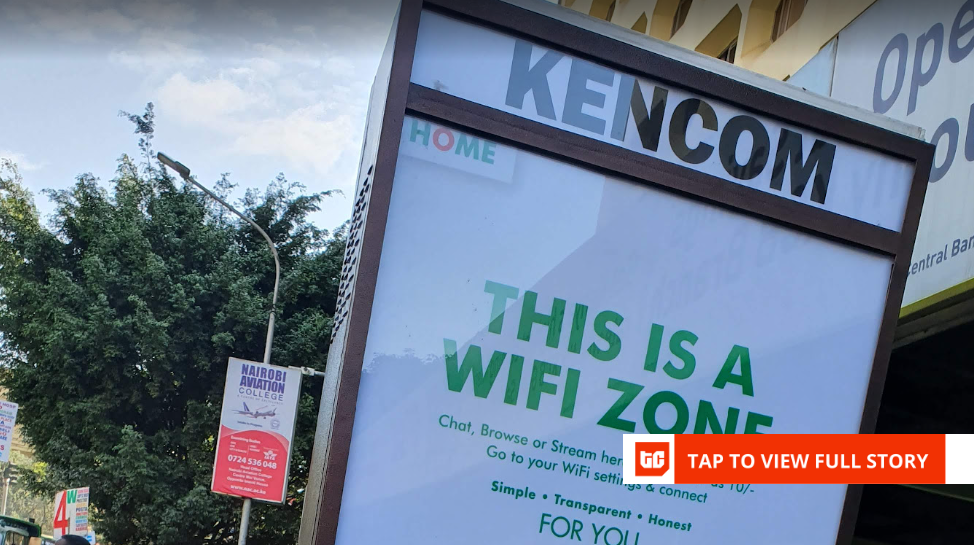
Kenya’s Safaricom is flooding the cheap internet market with plans as low as $6 a month. The country’s biggest telecom is targeting neighbourhoods and informal markets — not wealthy suburbs — with fibre speeds and wireless hotspots. For Ghana, it’s a preview of what happens when giants decide budget broadband is worth fighting for.
What Safaricom is doing
Safaricom launched two products. First: Fibre Lite, a home fibre plan starting at KES 800 ($6) monthly with speeds between 10–20 Mbps, available in lower-income housing estates.
Second: Wi-Fi Bamba, a pay-as-you-go wireless service with no installation, no contract, and no router needed. Customers in coverage zones pick a browsing package, pay via M-PESA (Kenya’s mobile money), and connect straight from their phone or laptop. Think of it like data bundles, but for home internet.
Wi-Fi Bamba is currently piloting in Nairobi and Kiambu with over 800 active users. It works through wireless access points fed by fibre backbone running through Safaricom’s mobile base stations.
In May, Safaricom doubled internet speeds across these packages without raising prices — a straight-up price cut disguised as a speed bump.
Why this matters (and why smaller operators are nervous)
Until now, Kenya’s cheap broadband market has been owned by smaller, local operators: Poa! Internet (263,305 subscribers), Ahadi Wireless (222,060), and Vilcom (133,316). These companies built their businesses in neighbourhoods Safaricom ignored, offering flexible payments and neighborhood-level service.
Safaricom, despite controlling 66.8% of Kenya’s mobile market, only holds 34.9% of fixed broadband subscriptions. Wi-Fi Bamba and Fibre Lite are Safaricom’s answer: use our fibre backbone and mobile network to undercut the locals.
This is textbook competitive pricing. When a giant enters a fragmented market, smaller players either get squeezed or find a new niche.
What this means for Ghana
Ghana’s home internet market is less mature than Kenya’s. We don’t yet have the same established base of neighbourhood Wi-Fi providers. But we do have rising demand for home broadband as more people work and learn remotely.
If Safaricom’s playbook works in Kenya, Ghana’s big telecoms will likely notice. That could mean real competition on price, which is good for you. But it also means smaller broadband startups will face pressure.
Watch Ghana’s telecoms pricing over the next 12 months. If major operators launch aggressive home fibre pricing strategies, Safaricom’s Kenya strategy just became your Ghana reality.
What you should do
If you’re paying for home internet, prices may drop soon. If you’re running a small neighbourhood Wi-Fi business, now is the time to think about what makes you different from a big telecom (service, trust, flexibility).
For now: keep an eye on whether Ghana’s major operators announce fibre plans cheaper than their current offerings. When giant telecoms move downmarket, everyone’s bill shrinks.



Leave a Reply