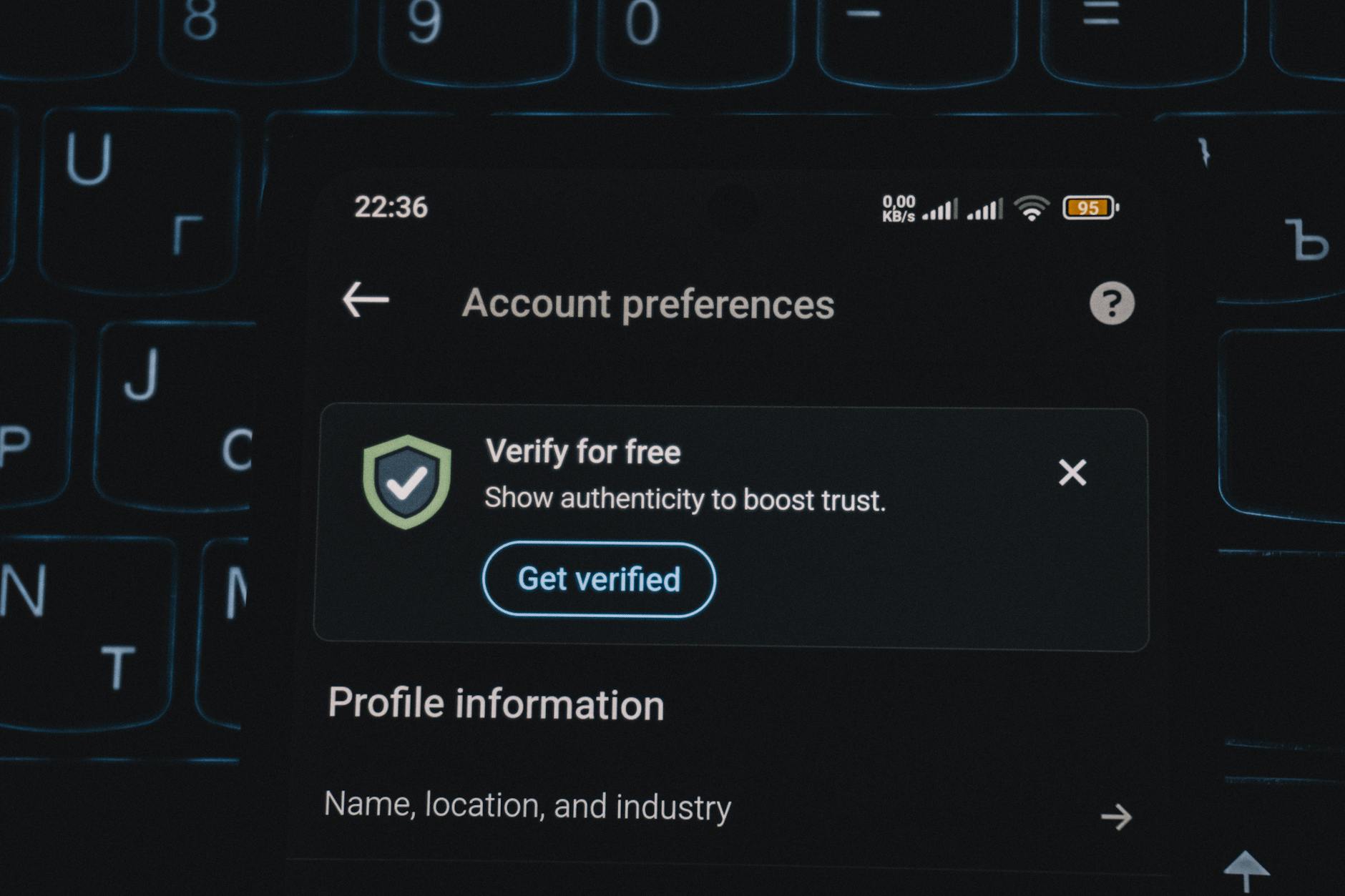
Photo by Zulfugar Karimov on Pexels
OpenAI just rolled out a tougher security option for ChatGPT accounts, and Ghanaian users who handle sensitive work or personal data should know what it does.
The new feature is called Advanced Account Security. It’s optional, but it locks down your account in ways that make hacking nearly impossible. Think of it like upgrading from a standard lock to a vault.
What does Advanced Account Security actually do?
If you turn it on, here’s what changes:
- No more passwords. Instead, you use physical security keys (small USB devices) or passkeys (digital keys stored on your phone or computer). Passwords are easy to steal via phishing; these aren’t.
- No email or SMS recovery. If you get locked out, you can’t use “reset password via email” like normal. You’ll need backup keys instead. This stops attackers from hacking your email to break in.
- Automatic logout. Your sessions expire faster, so if a hacker steals your access, it won’t last long.
- Login alerts. You get notified every time someone logs in. You can see all active sessions and kick out suspicious ones.
- OpenAI support can’t help with recovery. This sounds bad, but it’s actually smart: attackers often trick support teams into resetting passwords. If support has zero access, that attack doesn’t work.
- Your chat history is private by default. OpenAI won’t use your conversations to train its AI models (they ask permission normally; here it’s off unless you opt in).
Who actually needs this?
OpenAI says this is for journalists, politicians, activists, researchers, and anyone handling really sensitive work. If your ChatGPT account holds confidential client info, financial data, or anything you wouldn’t want leaked, this is worth considering.
Most casual users probably don’t need it. But if you’re a consultant, doctor, lawyer, or business owner using ChatGPT for client work in Ghana, it’s worth a look.
What’s the catch?
The friction is real. You need to buy physical security keys (USB dongles) or set up passkeys. OpenAI partnered with Yubico to offer cheaper YubiKey bundles to Advanced Security users, but you’ll still spend money. Recovery is also harder: if you lose your keys, you can’t just ask support to reset your password.
It’s a trade-off: maximum security for maximum hassle.
Why now? Why does it matter for Ghana?
Phishing attacks are rising globally, including in Ghana. Attackers pose as banks, platforms, or services to steal your login details. With AI tools becoming central to work and business, your ChatGPT account is increasingly valuable. If someone hacks it, they get access to all your conversations, projects, and connected tools.
OpenAI says this launch is part of a wider push to protect users as AI becomes “deeply personal” and tied to “increasingly high-stakes work.” That’s especially true for Ghanaians using ChatGPT for freelance work, consulting, or business—a hacked account could cost you clients or contracts.
What should you do?
If you’re a casual user: You don’t need this. Regular ChatGPT security (a strong, unique password + normal two-factor authentication) is enough.
If you handle sensitive work: Look into it. Budget for a security key (usually USD 40–60 / ~GHS 450–670 at April 2026 rates) and test the setup. OpenAI has a guide on their site.
If you’re a freelancer or business owner in Ghana: Consider it, especially if clients trust you with private data. A hacked account could damage your reputation and lose you money.
Start by checking if you’re eligible (it’s rolling out gradually) on your ChatGPT account settings. If it’s available, you can enable it anytime—it’s optional.

Leave a Reply