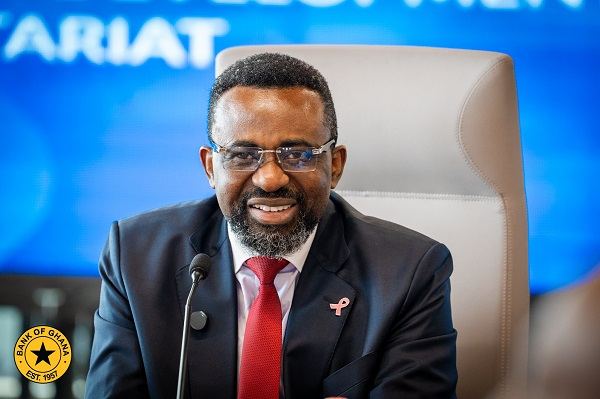
Ghana’s central bank just gave fintechs a major public thumbs-up. The Bank of Ghana’s Governor, Dr Johnson Pandit Asiama, told the heads of licensed fintech companies that the central bank is now both a regulator and a supporter of their growth. What does that mean for you? It signals that mobile money services like MTN MoMo and Telecel Cash will likely get easier to use, safer, and more tightly integrated with traditional banks.
Why this matters right now
Ghana’s mobile money system already processes over GH¢4.5 trillion (roughly USD 266 million at April 2026 rates) in transactions yearly. That makes Ghana one of Africa’s two benchmark digital payments markets, alongside Kenya. More than 60% of Ghanaian adults have a mobile money account, and overall financial inclusion hit 81% in 2025, up from 68% in 2021.
But here’s the catch: most of that money is moving between mobile money operators themselves. Many Ghanaians still can’t easily access loans, savings accounts, or insurance through their mobile money apps. The Bank of Ghana wants that to change.
What the Bank of Ghana is actually doing
The central bank isn’t just talking. It has released new rules on virtual assets (like cryptocurrency), digital lending, and cybersecurity. It’s also onboarding fintechs onto a shared security platform so they can protect themselves better against hacks and fraud.
Most importantly, Ghana now has mobile money interoperability. That means you can send money from an MTN MoMo wallet to a Telecel Cash wallet, or from either to your bank account, without jumping through hoops. That system grew 87% in transaction value during 2025 alone.
The Bank is also pushing “open banking,” which is industry jargon for: banks and fintechs will share data securely so you can see all your money in one place, whether it’s in MoMo, Telecel Cash, or your bank account.
The catch: three non-negotiables
The Bank of Ghana made clear it won’t let fintechs grow wild. Three rules are fixed:
- Unregulated growth creates system-wide risk, even if nobody meant harm.
- Innovation without consumer protection kills financial inclusion.
- Speed without safeguards breaks trust in the whole system.
Translation: you won’t see unregistered digital lending apps or sketchy payment startups get a pass, no matter how fast they grow.
What to watch
The Bank of Ghana is piloting a licence passporting agreement with Rwanda, which means two Ghanaian fintech firms can already offer services in East Africa. Cross-border payments and diaspora investment platforms using blockchain technology are also on the roadmap.
For everyday users: keep an eye on whether new financial products (loans, savings, insurance) become easier to access through your MoMo or Telecel Cash account over the next 12 months. Watch for real integration between mobile money operators and banks, not just the ability to move money between them. And check whether your fintech app gets clearer security features and upfront information about fees and risks.
Ghana ranked first globally for mobile money regulation in 2025. That matters because it means the ecosystem is being watched closely. Your deposits and transactions should be safer than in countries with looser rules.


Leave a Reply