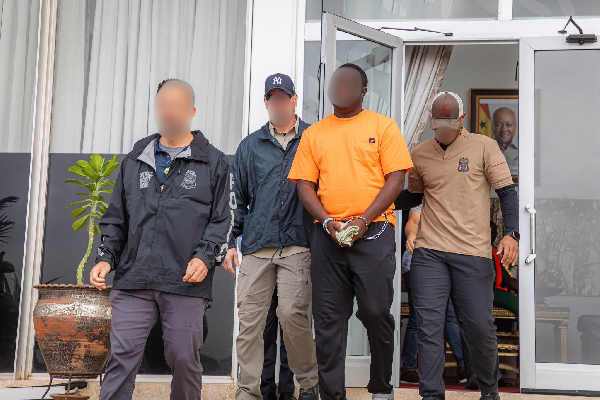
A Ghanaian businessman has pleaded guilty in a US court to running a romance scam that stole USD 4.4 million from elderly Americans. The case highlights a growing threat that Ghanaians themselves need to watch for online.
What happened: The $4.4 million romance scam
Joseph Kwadwo Badu Boateng, known as Dada Joe Remix, admitted in a US court that between 2013 and March 2023, he and his gang targeted elderly Americans in Arizona and across the United States through fake romantic relationships. On June 30, 2026, the US Attorney’s Office for Arizona announced his guilty plea to wire fraud conspiracy.
Here’s how the scam worked: the gang contacted victims on online dating platforms and text messages, pretended to be interested in romantic relationships, then claimed they had inherited gold and jewels locked up abroad. To release the treasure, they told victims, taxes and fees had to be paid upfront. The victims sent money. No gold arrived.
Boateng was arrested in Ghana on May 27, 2025, and extradited to the United States in June 2025. He will be sentenced on September 8, 2026.
What this means for Ghanaians
The case is a reminder that romance scams are not just a threat to elderly Westerners. Ghanaians use the same dating platforms and messaging services where these scams operate. The scam method is simple enough that copycat versions could target anyone.
The inheritance angle (taxes on gold or jewels) is classic. If someone you just met online tells you they have money locked up and need your help to release it by paying a fee, that is a scam. Full stop.
Red flags to watch for
- Someone wants to meet you romantically but only online, never in person.
- They ask for money “just this once” to solve a sudden problem (medical emergency, travel fees, tax payments).
- They claim to have inherited assets but can’t access them without your help or money.
- They ask you to keep your relationship secret from family or friends.
- Their story changes or doesn’t add up when you ask questions.
What to do
If someone you met online asks you for money, even a small amount, stop contact and block them. Do not send anything, not even to “test” if they’re real. If you’ve already sent money, report it to your bank immediately and file a report with Ghana’s Cybercrime Unit or the CID.
For dating safety: use verified platforms, never rush into trust, and tell a friend who the person is and where you’re meeting them if you do decide to meet in person.
Boateng’s case shows these scams are international and serious. The US took it seriously enough to extradite him. You should too, starting with your own caution online.

Leave a Reply