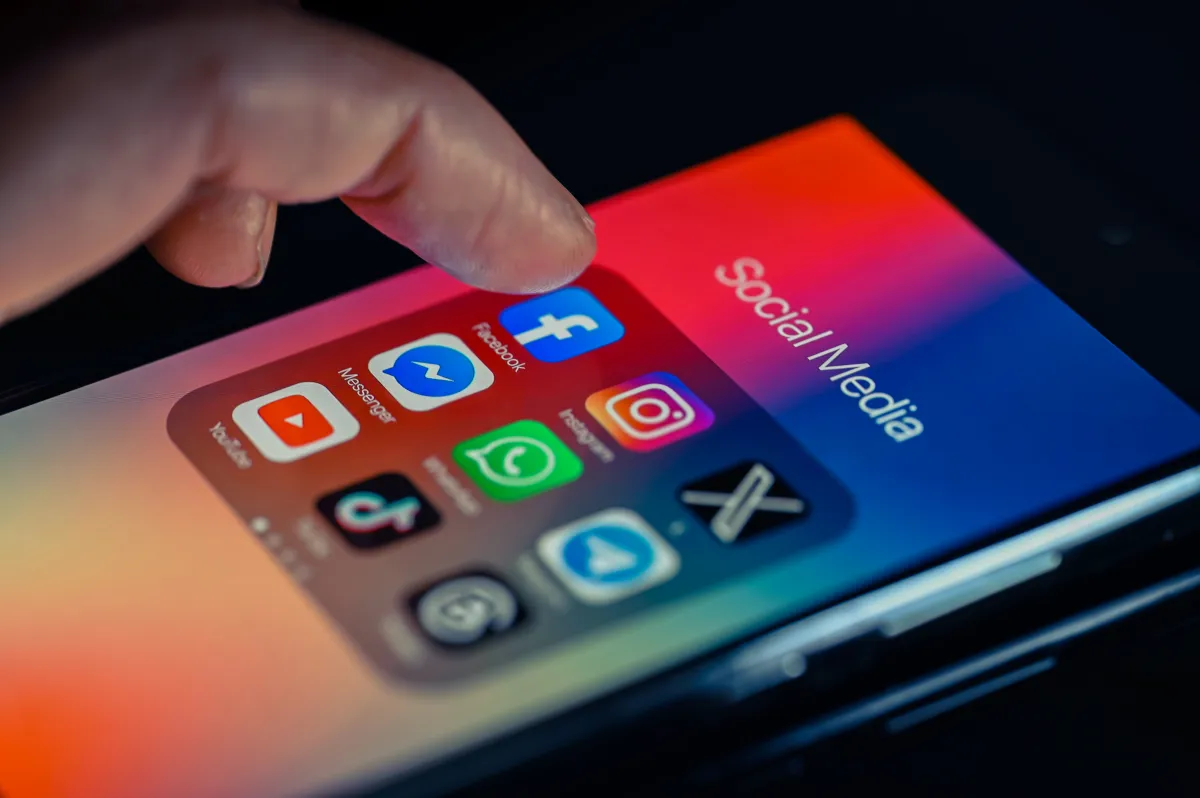
Americans lost USD 2.1 billion (~GHS 23.3 billion at April 2026 rates) to social media scams in 2025, according to a new report from the US Federal Trade Commission. For Ghanaians who use Facebook, WhatsApp, and Instagram daily, the tactics are familiar: fake product ads, romance scams, and too-good-to-be-true investment schemes that vanish with your money.
The FTC report shows losses from social media scams jumped eightfold. Nearly 30% of Americans who lost money to fraud said it started on social media, making it the top channel for scammers.
Facebook, WhatsApp, Instagram Top the List
Facebook accounted for more scam losses than any other platform. WhatsApp and Instagram ranked second and third. People lost more money on Facebook alone than they did through text messages or email combined.
In Ghana, these same platforms dominate. Facebook Marketplace sellers who never deliver. WhatsApp group “investment advisors” who promise big returns. Instagram ads for gadgets that arrive broken or not at all.
Three Main Scam Types
Shopping scams were the most common. Over 40% of victims ordered items they saw in ads — clothes, cosmetics, car parts, even puppies. The ads led to unfamiliar websites or fake versions of real brand sites offering huge discounts. The products either never arrived or were worthless knockoffs.
Investment scams caused the biggest financial damage: USD 1.1 billion (~GHS 12.2 billion). Scammers post ads teaching people how to invest, create WhatsApp groups filled with fake success stories, or pose as friendly advisors. Once you trust them, they direct you to fake investment platforms and take your money.
Romance scams hit 60% of their victims through social media. Scammers study your profile, pretend to fall in love, then invent a crisis that requires cash. Some casually offer investment tips and later lure you onto fraudulent trading sites.
Ghana Connection: MoMo Makes It Worse
Ghanaian scammers often add a local twist. They ask victims to send money via MTN MoMo or Vodafone Cash because mobile money transfers are instant and hard to reverse. Once the cash leaves your wallet, it’s gone.
The Ghana Card and SIM registration rules help, but scammers still use stolen or fake identities. Some even hack real accounts through SIM swap fraud.
How to Protect Yourself
The FTC recommends three steps that work in Ghana too:
- Limit your profile visibility. Adjust your Facebook, Instagram, and WhatsApp privacy settings so strangers can’t see your posts, contacts, or personal details. Less information means scammers can’t tailor their pitch.
- Never let an online stranger handle your money. If someone you met on social media offers investment advice, assume it’s a scam. Real financial advisors have licenses you can verify.
- Research before you buy. Search the company name plus “scam” or “complaint”. Check reviews on multiple sites. If a deal looks too good, it probably is.
What to Do Next
Screenshot suspicious messages and report them to the platform. Block and delete the scammer. If you lost money via MoMo, report it to your network immediately — MTN and Vodafone sometimes freeze accounts if you act fast.
Don’t feel embarrassed. These scams are designed to fool smart people. The key is recognizing the patterns: urgency, secrecy, requests for mobile money, and promises that sound unbelievable.
Stay skeptical. If someone you don’t know in real life asks for money or investment on social media, walk away.



Leave a Reply