Photo by David Iloba on Pexels
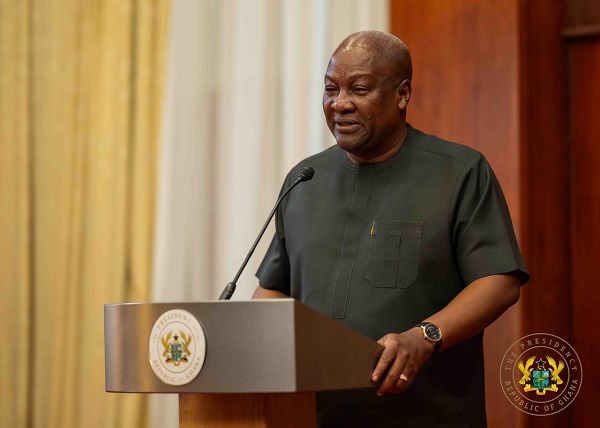
President John Dramani Mahama launched Ghana’s first national Artificial Intelligence Strategy at Labadi Beach Hotel on April 24, 2026. If you’re wondering what AI policy has to do with your daily life in Ghana, the answer is: quite a bit.
AI (artificial intelligence) is software that can learn patterns and make decisions — think ChatGPT writing emails or a hospital app predicting disease outbreaks. Ghana’s new strategy is a government plan to invest in AI infrastructure, train people, and support startups building AI tools.
What the Ghana AI Strategy Actually Does
The strategy focuses on three big areas:
- Digital infrastructure: Building the internet networks and data centers AI needs to run fast and reliably across Ghana.
- Training and jobs: Teaching Ghanaians — especially young people — how to build and use AI so local talent can compete globally.
- Startup support: Helping Ghanaian tech companies create AI products for healthcare (like faster diagnosis tools), agriculture (crop disease detection), and education (personalized tutoring apps).
The government plans to bring together universities, private companies, and ministries to fund research and pilot AI projects in public services.
What This Means for You
You’ll likely see AI show up in everyday services over the next 2-3 years:
Healthcare: Some hospitals may start using AI to read X-rays faster or predict which patients need urgent care.
Mobile money and banking: MTN MoMo and banks could roll out smarter fraud detection (catching suspicious transactions before they hit your account) and chatbots that answer questions instantly.
Agriculture: Farmers might access apps that use AI to diagnose crop diseases from a phone photo or predict weather patterns for planting.
Jobs: New roles will open for data analysts, AI trainers, and software developers. If you’re in school or retraining, coding and data skills will matter more.
The Big Question: Will It Work?
Ghana has launched digital strategies before — some delivered (like the Ghana Card rollout), others stalled (like promised broadband expansions). Success depends on three things: steady funding, reliable electricity and internet in rural areas, and whether startups actually get the grants and support promised.
President Mahama said the strategy aims to position Ghana as a “leading digital innovation hub in Africa.” That’s ambitious. Countries like Kenya, Nigeria, and Rwanda are already ahead on AI investment and tech talent pipelines.
What to Watch For
Track these concrete signs the Ghana AI Strategy is moving:
- Announcements of AI training programs at public universities (expect by late 2026).
- Government tenders for AI pilot projects in health or agriculture — these will show up in procurement notices.
- Startup funding rounds: if Ghana-based AI companies start raising seed capital by 2027, the support ecosystem is working.
If you work in tech, healthcare, farming, or fintech, keep an eye on National Communications Authority (NCA) and Ministry of Communications bulletins for partnership or grant calls.
For everyone else: your mobile apps, bank services, and hospital visits may quietly get faster and smarter. Whether Ghana becomes an AI hub or just catches up to neighbors will play out over the next 3-5 years.


Leave a Reply