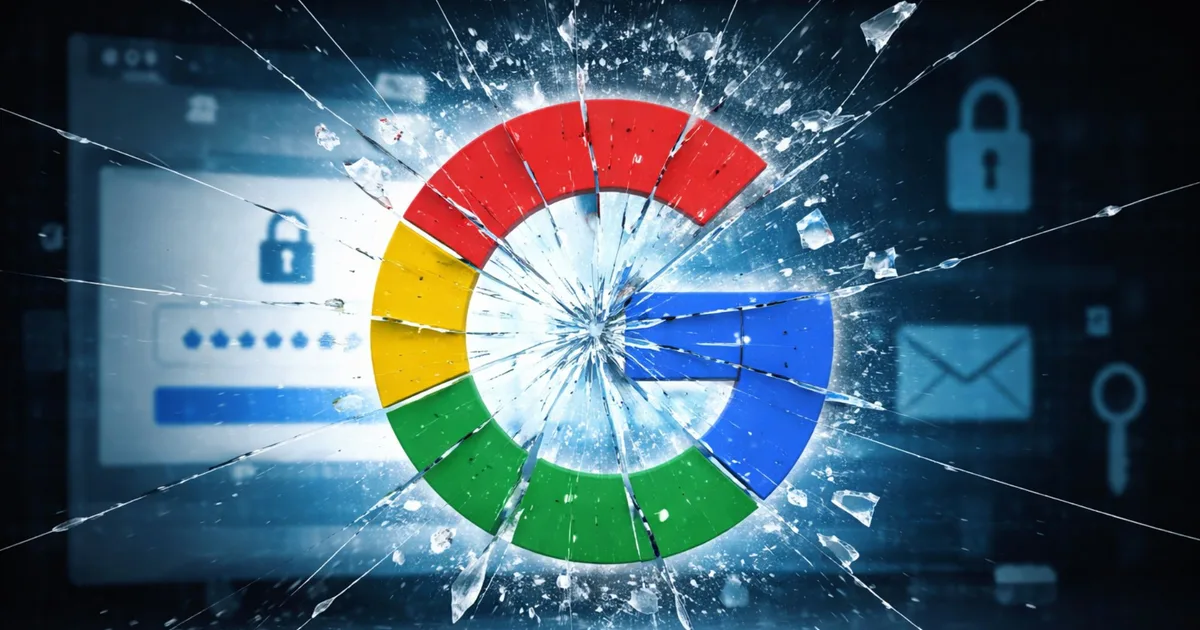
Scammers have weaponized Google’s Gemini AI to run one of the largest phishing operations ever recorded. Google just filed a lawsuit against the criminal network behind it, and if you use Gemini, Android, or receive text messages—this matters for you.
What happened: AI made the scam massive
A Chinese cybercrime group called the Outsider Enterprise used Gemini to create over 9,000 fake websites pretending to be Google, YouTube, and the US Postal Service. The group sent 2.5 million phishing text messages to people worldwide, while Android users flagged 55,000 suspicious texts in just two weeks ending June 1.
The scale is staggering. The FBI estimates the operation stole 3.87 million credit card numbers from victims across multiple countries, with total losses reaching USD 1.9 billion since July 2023.
With Gemini, the scammers automated the process of building fake websites. One criminal network distributed phishing kits through Telegram to other scammers worldwide.
How the scam works
You receive a text: “Your delivery is delayed—click here to reschedule” or “Unpaid toll—verify your card details now.” The link looks real because it copies the design of legitimate websites perfectly. AI did the copying.
You click. Your credit card details, passwords, or personal information get stolen. The scammers sell the data or use it themselves.
The operation created over 9,000 fake websites and more than one million fraudulent URLs at a scale that simply was not possible before.
What this means for Ghanaians
Ghana’s mobile money users (MTN MoMo, AirtelTigo Money, Vodafone Cash) are prime targets for this type of fraud. Scammers often impersonate banks or payment services in text messages. If they use AI to create convincing fake login pages, you could lose your funds quickly.
Reports suggest this scam has been flooding American phones, but the tactics—AI-generated fake websites, mass text campaigns—are already spreading globally. It’s only a matter of time before similar operations target Ghana directly.
What Google is doing
Google has filed a federal lawsuit in New York to shut down the Outsider Enterprise entirely. The company is working with the FBI and US carriers (AT&T, T-Mobile, Verizon) to block phishing texts before they reach your phone.
Google’s built-in messaging defenses already intercept over 10 billion malicious messages monthly. Android’s scam detection tool flags suspicious calls and contacts in real time.
Google is also pushing Congress to pass seven bipartisan bills to make these protections legal and permanent, arguing that lawsuits alone cannot stop a threat AI has made “effectively limitless.”
How to protect yourself
- Never click links in unexpected texts—especially from “banks,” delivery services, or payment apps. Go to the official website or app instead.
- Check the sender number. Real companies use official short codes or known numbers. An unfamiliar number is a red flag.
- Look for typos or odd phrasing. AI can be good, but phishing messages still slip up. “Confirm you card” instead of “your card” is a tell.
- Enable two-factor authentication on your mobile money and bank accounts. Even if scammers steal your password, they cannot access your funds without a second code.
- Report phishing texts. On Android, mark suspicious messages as spam or phishing. On MTN MoMo or other Ghanaian services, use the report feature in-app.
- Keep your phone’s OS updated. Google pushes security patches monthly. Install them.
Watch for AI-powered fraud in Ghana
This lawsuit is important because it shows AI is now a mainstream tool for scammers, not just a curiosity. As Gemini and other AI tools spread, fraudsters will use them to scale up phishing, fake customer support, and social engineering attacks.
Ghanaian regulators and telcos should learn from this: mobile money and digital payments are soft targets. The Bank of Ghana and telecom operators (MTN, AirtelTigo, Vodafone) need to invest in AI-powered fraud detection, not just reactive blocking.
For now, stay alert. A text asking you to “verify your Ghana Card” or “update your MoMo PIN” almost certainly is a scam—especially if you did not initiate the request.

Leave a Reply