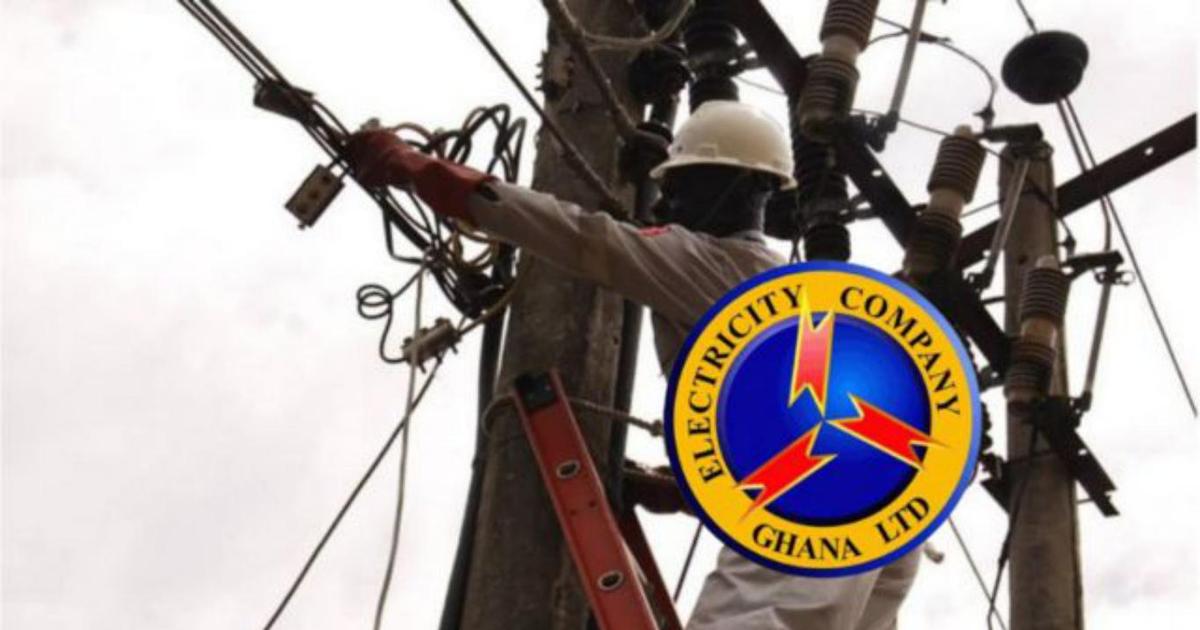
When you need to report ECG outage in Accra, Kumasi, or any Ghanaian city, knowing the fastest channel saves hours of darkness. The Electricity Company of Ghana offers four main reporting routes (SMS, mobile app, phone, social media), each with different response times and ticket-tracking capabilities. This guide maps every ECG outage reporting method as of April 2026, compares their speed and reliability, flags the channels that get you a reference number, and shows you what to do when your first report goes unanswered.
Table of Contents
- TL;DR
- How to Report an Outage: All Official Channels
- 1. SMS to Short Code 1590 (Fastest for Tracking)
- 2. ECG Power App (Best for Full Documentation)
- 3. Call Centre: 0302-611-611 (Voice Support)
- 4. Social Media: @ECGghana (Public Visibility)
- Information to Provide When Reporting
- What Happens After You Report
- When Your Report Goes Unanswered: Escalation Steps
- Step 1: Re-report via a different channel
- Step 2: Visit your district ECG office
- Step 3: File a formal complaint with PURC
- Step 4: Social media public post
- Common Outage Causes and Likely Resolution Times
- Ghana-Specific Considerations
- Load Shedding vs Fault Outages
- Prepaid vs Postpaid: Reporting Differences
- Meter Number Location
- Rural vs Urban Response Gaps
- Solar Backup and Grid-Tied Systems
- Tips for Faster Resolution
- How ECG Prioritises Outage Response
- FAQs
- Related Reads
- Closing
- Sources
TL;DR
- ECG accepts outage reports via SMS (short code 1590), mobile app (ECG Power App), call centre (0302-611-611), and social media (@ECGghana on X and Facebook).
- SMS and app reports generate tracking numbers within 2 minutes. Phone and social media reports often don’t.
- Average response time for urban outages: 4 to 12 hours. Rural outages: 12 to 48 hours.
- Keep your meter number, GPS address, and nearest landmark ready when reporting.
- If no response after 24 hours, escalate to your district ECG office or the Public Utilities Regulatory Commission (PURC).
How to Report an Outage: All Official Channels
ECG maintains four primary channels for outage reports. Each has trade-offs in speed, convenience, and whether you get a ticket number to track progress.
1. SMS to Short Code 1590 (Fastest for Tracking)
Send a text message to 1590 in this format:
OUTAGE [Your meter number] [Your location]
Example:
OUTAGE 04512345678 Labone, near Trust Hospital
- Cost: Free on MTN, Telecel, and AirtelTigo.
- Response time: Automated acknowledgment within 2 minutes with a 6-digit ticket number.
- Tracking: Save the ticket number. You can check status by texting
STATUS [ticket number]to 1590. - Limitation: Works only if the mobile network in your area is unaffected by the outage. If cell towers are down, SMS won’t go through.
2. ECG Power App (Best for Full Documentation)
Download the ECG Power App from Google Play Store or Apple App Store. The app requires one-time registration with your phone number and meter number.
Steps to report via app:
1. Open app → tap “Report Outage”
2. Select your registered meter (or enter manually)
3. Add GPS location (auto-fills if location services enabled)
4. Optionally attach a photo (useful for visible faults like downed wires)
5. Submit
- Response time: Ticket generated within 1 minute. Push notification when crew is dispatched.
- Tracking: In-app status updates (Received → Dispatched → Resolved).
- Limitation: Requires stable mobile data. Many Ghanaians report the app crashes when network quality is poor.
3. Call Centre: 0302-611-611 (Voice Support)
ECG’s Accra call centre operates 24/7. Regional offices have their own numbers (see table below).
- Response time: Wait times range from 3 minutes (off-peak) to 45 minutes (peak hours, especially evenings and weekends).
- Tracking: Agents should provide a ticket number verbally. Write it down immediately.
- Limitation: High call volumes during widespread outages. Many callers report busy tones or dropped calls.
Regional ECG Call Centres (April 2026)
| Region | Phone Number | Hours |
|---|---|---|
| Accra (Greater Accra) | 0302-611-611 | 24/7 |
| Kumasi (Ashanti) | 0322-084-681 | 24/7 |
| Takoradi (Western) | 0312-028-494 | 7 AM , 10 PM |
| Tamale (Northern) | 0372-022-881 | 7 AM , 10 PM |
| Cape Coast (Central) | 0332-132-094 | 7 AM , 10 PM |
4. Social Media: @ECGghana (Public Visibility)
ECG monitors X (formerly Twitter) and Facebook. Tag @ECGghana or send a direct message with:
– Your meter number
– Exact location (GPS address or clear landmark)
– Nature of fault (total blackout, flickering, partial supply)
- Response time: Public posts often get acknowledgment within 30 minutes during business hours. DMs take longer (2 to 6 hours).
- Tracking: No formal ticket number via social media. You track by monitoring replies to your post.
- Advantage: Public posts create accountability. ECG responds faster when the complaint is visible to other customers.
- Limitation: Not monitored overnight (roughly 11 PM to 6 AM). Weekend response is slower.
Information to Provide When Reporting
Regardless of channel, have these details ready:
- Meter number (11 digits, printed on your meter and on your ECG postpaid bill or prepaid receipt)
- GPS address or clear landmark (e.g. “GA-045-6789” or “Opposite Kenpong Filling Station, Spintex Road”)
- Nature of fault:
– Total blackout (no power at all)
– Partial supply (some lights work, others don’t)
– Flickering/unstable voltage
– Visible fault (downed wire, sparking transformer, broken pole) - Duration (when did the outage start?)
- Affected area (just your house, your street, or entire neighbourhood?)
The more specific you are, the faster ECG can route your report to the correct district team.
What Happens After You Report
Once ECG logs your outage:
- Ticket assignment , Your report goes to the district office that covers your area.
- Crew dispatch , If the fault is localised (affecting fewer than 100 customers), a two-person crew is dispatched. For transformer or feeder faults (affecting hundreds or thousands), a larger team with heavy equipment is sent.
- Diagnostic , Crew identifies the fault (blown fuse, overloaded transformer, vandalism, tree contact, cable theft).
- Repair or temporary bypass , Minor faults (blown fuse, loose connection) are fixed on the spot (1 to 3 hours). Major faults (stolen cables, damaged transformer) require parts procurement and can take days.
- Closure , When power is restored, the ticket is closed. You should receive an SMS or app notification.
Average response times (urban areas, April 2026):
– Localised faults: 4 to 12 hours
– Feeder/transformer faults: 12 to 36 hours
– Cable theft/vandalism: 24 to 72 hours (requires new cable procurement)
Rural response times: Add 50% to 100% to the above estimates. Some rural areas wait 48 hours for crew arrival.
When Your Report Goes Unanswered: Escalation Steps
If 24 hours pass with no acknowledgment or crew dispatch:
Step 1: Re-report via a different channel
If you used SMS, try the app or call centre. Systems don’t always sync, and a second report increases visibility.
Step 2: Visit your district ECG office
Locate your district office here. Bring:
– Your ticket number (if you got one)
– Meter number
– Written description of the fault
Ask to speak to the District Operations Manager. Physical presence escalates priority.
Step 3: File a formal complaint with PURC
The Public Utilities Regulatory Commission regulates ECG’s service standards. File a complaint:
– Online: www.purc.com.gh → “Consumer Complaints”
– Phone: 0302-244-181 / 0302-244-182
– Email: info@purc.com.gh
PURC requires ECG to respond to escalated complaints within 72 hours. Include your ticket number, meter number, and a timeline of your reporting attempts.
Step 4: Social media public post
If private reporting fails, post publicly on X or Facebook. Tag @ECGghana and @PURCgh. Use your real name and meter number (builds credibility). Public posts generate faster action because they’re visible to regulators and media.
Common Outage Causes and Likely Resolution Times
| Cause | Typical Symptoms | Resolution Time |
|---|---|---|
| Blown fuse | Street or neighbourhood blackout, no visible damage | 1 to 3 hours |
| Overloaded transformer | Frequent trips, lights dim when AC units start | 6 to 12 hours (temp fix), weeks (replacement) |
| Tree contact | Outage during/after rain or wind | 4 to 8 hours |
| Cable theft | Sudden blackout, visible cut cables | 24 to 72 hours (requires new cable) |
| Planned maintenance | Should be pre-announced via SMS/radio | As scheduled (usually 4 to 8 hours) |
| National grid instability | Widespread blackouts across regions | Variable (15 minutes to several hours) |
When cable theft is the cause, ECG may install metal conduit or concrete poles to deter repeat theft. This extends repair time but reduces future outages.
Ghana-Specific Considerations
Load Shedding vs Fault Outages
During periods of national generation shortfall, ECG implements load shedding (rotating blackouts by feeder). These are not faults and reporting them won’t speed up restoration. ECG publishes load shedding schedules on their website and via SMS to registered customers. Check www.ecgonline.info before reporting.
If your area is blacked out outside the published schedule, that’s a fault. Report it.
Prepaid vs Postpaid: Reporting Differences
Prepaid meter customers sometimes confuse zero credit with an outage. Before reporting, check your meter display:
– If it shows “0.00 kWh” and beeps when you press buttons, you need to top up, not report an outage.
– If the meter is completely dead (no display, no beep), that’s either a meter fault or an outage. Report it.
Meter Number Location
Your 11-digit meter number is printed on the meter faceplate (usually below the LCD display). It also appears on every ECG bill and prepaid vending receipt. Snap a photo and save it in your phone for quick access.
Rural vs Urban Response Gaps
Urban customers in Accra, Kumasi, and Takoradi typically see crew arrival within 12 hours. Rural customers in Volta, Northern, Upper East, and Upper West regions report waiting 48 to 72 hours. ECG’s vehicle fleet and crew density are concentrated in cities. If you live rurally and face a prolonged outage, escalate to PURC immediately and copy your Member of Parliament on social media posts.
Solar Backup and Grid-Tied Systems
If you have a grid-tied solar system, extended ECG outages affect you differently than off-grid users. Most grid-tied inverters shut down when ECG supply drops (anti-islanding safety feature). You’ll need battery storage or a hybrid inverter to maintain power during outages. Always report the outage even if you have solar, it helps ECG track service quality metrics.
Tips for Faster Resolution
- Report immediately , The sooner ECG logs your fault, the sooner it joins the dispatch queue. Waiting “to see if it comes back” delays resolution.
- Include photos for visible faults , If you see sparking wires, a leaning pole, or a damaged transformer, attach a photo via the ECG Power App. Visual evidence speeds diagnosis.
- Report for your neighbours , If your street is affected and you’re the first to report, you’re helping everyone. ECG prioritises faults by number of affected customers, but they need at least one report to know the area is down.
- Follow up at 12 hours , If you reported in the morning and it’s now evening with no update, re-report or escalate. Systems glitch, tickets get lost.
- Register for ECG SMS alerts , Text
REGISTER [meter number]to 1590. You’ll get advance warning of planned maintenance and faster closure notifications when faults are resolved.
How ECG Prioritises Outage Response
ECG uses a priority matrix based on:
– Number of affected customers , A transformer fault affecting 500 homes ranks higher than a single-household service wire fault.
– Critical infrastructure , Hospitals, water treatment plants, and telecom towers get priority dispatch.
– Duration , Faults open longer than 24 hours move up the queue.
– Safety risk , Live downed wires or sparking equipment trigger immediate response.
Understanding this helps set realistic expectations. If your street is dark but the hospital two blocks away has power, crews will restore the hospital first.
FAQs
How much does it cost to report an ECG outage?
Reporting is free via SMS (short code 1590), the ECG Power App, and social media. Phone calls to 0302-611-611 cost standard call rates (approximately GHS 0.19 per minute on MTN, Telecel, and AirtelTigo, April 2026).
Can I report an outage if I’m not the account holder?
Yes. ECG accepts reports from anyone. You’ll need the meter number and location. Tenant? Ask your landlord for the meter number or read it directly from the meter.
What if I don’t have a smartphone for the ECG app?
Use SMS (works on any phone) or call the ECG centre. SMS to 1590 is the most reliable non-smartphone method and gives you a tracking number.
Does ECG compensate customers for long outages?
No automatic compensation. PURC’s standards require ECG to restore supply within 24 hours for urban areas, 48 hours for rural. If they breach this repeatedly, you can file a complaint with PURC seeking service credits, but compensation isn’t guaranteed.
How do I know if it’s a planned outage?
ECG sends SMS alerts 24 to 48 hours before planned maintenance to registered customers. They also post schedules on their website and announce via local FM stations. If you didn’t receive advance notice and your area is blacked out, assume it’s a fault and report it.
What should I do if I see a downed power line?
Do not approach or touch it. Assume it’s live. Call ECG’s emergency line (0302-611-611) immediately and describe the exact location. Keep at least 10 metres away and warn others. Downed wires are ECG’s highest priority, crews typically arrive within 1 to 3 hours in urban areas.
Can I track my outage report after submission?
Yes, if you reported via SMS or the ECG Power App and received a ticket number. Text STATUS [ticket number] to 1590 or check the app. Phone and social media reports don’t generate trackable tickets, you’ll need to follow up manually.
Why does my neighbourhood lose power more often than others?
Frequent outages indicate an underlying infrastructure problem: overloaded transformer, aging cables, tree interference, or vandalism hotspot. After your third outage in a month, visit your district ECG office and request a fault pattern analysis. ECG is supposed to upgrade infrastructure in high-fault zones, but you must formally request it.
Related Reads
- Zoom out: Ghana Digital Services (Super Pillar)
- Topic hub: ECG, Ghana Water, and Utility Services
- Related deep-dives:
- ECG Postpaid Bill Payment Online
- ECG Prepaid Meter Top-Up Guide
- Ghana Water Company Bill Payment Online
- Understanding Your ECG Bill
Closing
ECG’s outage reporting system works best when you know which channel to use and what information to provide. SMS to 1590 remains the fastest trackable method for most Ghanaians, app reporting adds photo documentation for complex faults, and social media creates public accountability when private channels fail. Save your meter number in your phone, register for SMS alerts, and escalate to PURC if 24 hours pass without response. As Ghana’s grid expands and ECG digitises more service touchpoints, reporting will only get faster, but today the tools exist and they work if you use them correctly.
Follow our updates on X at @jbklutsemedia.
Sources
- Electricity Company of Ghana (ECG) official website: www.ecgonline.info
- ECG Power App (Google Play): ECG Power App download
- Public Utilities Regulatory Commission (PURC): www.purc.com.gh
- ECG Customer Service Standards (PURC mandated): PURC ECG Standards PDF