
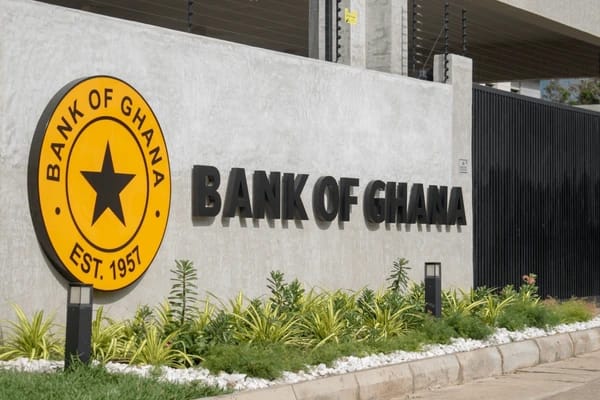
Ghana’s central bank is taking a harder look at the digital tools and services that power your mobile money, online banking, and cryptocurrency accounts.
According to reports, the Bank of Ghana plans to tighten oversight of technology risks including artificial intelligence (AI), cyber-attacks, cloud computing, and virtual assets. Think of it as the BoG putting up guardrails around the digital pipes that carry your money.
Why is the Bank of Ghana watching AI, crypto, and cloud now?
Banks and fintech companies in Ghana increasingly rely on these technologies. Mobile money payments, bank fraud detection systems, crypto exchanges, and fintech data storage — all depend on AI, cloud servers, or blockchain networks.
The problem: when things go wrong, they go wrong fast and at scale. A cyber-attack on a cloud server could lock millions out of their accounts. A flawed AI system could deny credit to people unfairly. A crypto exchange hack could vanish your savings overnight.
The Bank of Ghana appears focused on ensuring financial companies are ready for these risks before disaster strikes.
What does tighter oversight actually mean?
While specific rules have not yet been detailed, banks and fintech firms may face new requirements around:
- AI use — likely involving oversight of algorithmic decision-making
- Cyber defenses — expected to include enhanced security measures
- Cloud data — potential rules on data storage and access
- Crypto and virtual assets — anticipated stricter oversight for digital currency operations
What does this mean for you?
In the short term: not much changes. You still use mobile money and banking apps the same way.
Medium-term: the move could lead to improved security and clearer operating standards for financial services. Banks and fintechs may need to invest in stronger safeguards, which could affect the pace of new features but potentially make existing services more secure.
Long-term: Ghana’s financial system could become more resilient, with your savings less exposed to a single company’s tech failure.
What should you watch?
Keep an eye on whether the Bank of Ghana publishes specific guidelines (rules, not just announcements). When they do, they’ll likely affect how financial institutions handle technology risks and security requirements.
For now, use strong passwords, enable two-factor authentication on banking apps, and stick to regulated banks and known fintech platforms. The BoG’s tighter watch should make that safer over time.
Sources:

Leave a Reply