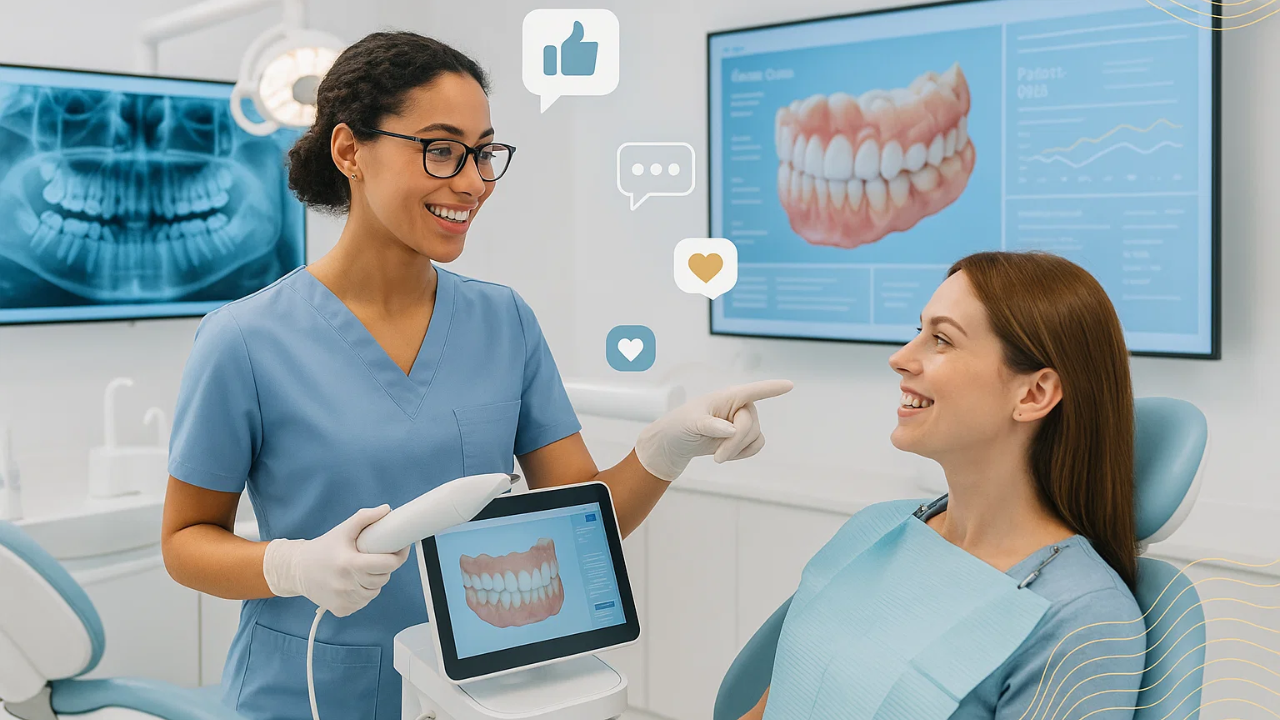
The landscape of healthcare is evolving rapidly, with dental practices at the forefront of this transformation. As patient expectations shift towards a more personalized and interactive experience, dental providers must adapt their marketing strategies to meet these demands. Innovative approaches in dental digital marketing can significantly enhance patient engagement, streamline communication, and improve overall satisfaction. This article explores key strategies that dental practices can implement to revolutionize how they connect with their patients.
Embracing Telehealth Solutions
The rise of telehealth has been a game changer in patient care, enabling providers to reach patients beyond the traditional office visit. For dental practices, offering virtual consultations can make a significant difference in patient engagement. This approach allows dentists to assess and discuss dental concerns with patients remotely, saving time for both parties. By integrating telehealth into their services, dental practices can attract a wider audience, cater to busy professionals, or accommodate patients who may have mobility issues.
Furthermore, telehealth reinforces the notion that dental care can be accessible and convenient. Marketing these services through social media campaigns or email newsletters can help educate patients on the benefits of virtual consultations, thereby increasing their likelihood of participation.
Utilizing Social Media Effectively
Social media platforms have become powerful tools for engaging with patients in real-time. Dental practices can harness the potential of platforms such as Instagram, Facebook, and TikTok to create a vibrant online presence. By sharing informative content, showcasing success stories, or posting fun and engaging dental facts, practices can foster a sense of community among their patients.
Interactive content, such as polls, quizzes, and Q&A sessions, can further enhance engagement. By encouraging patients to participate in conversations and share their experiences, dental practices can build trust and loyalty. Additionally, social media advertising allows practices to target specific demographics, ensuring that marketing efforts reach the right audience effectively.
Personalizing Patient Communication
Today’s patients expect personalized communication that resonates with their individual needs and preferences. Dental practices can leverage data analytics to understand their patients better and tailor communications accordingly. By segmenting their patient database based on various criteria, such as age, treatment history, or appointment frequency, practices can send targeted messages that address specific concerns or preferences.
For instance, a practice might use personalized emails to remind patients of upcoming appointments, send birthday greetings, or offer tailored promotions based on previous treatments. This level of personalization not only enhances patient satisfaction but also encourages them to engage more actively with the practice.
Implementing Patient Feedback Mechanisms
Feedback is a valuable resource for any healthcare provider, as it provides insights into patient satisfaction and areas for improvement. Dental practices can implement various feedback mechanisms, such as surveys or online reviews, to gather input from their patients. Encouraging patients to share their experiences can lead to valuable insights that help practices refine their services.
Moreover, showcasing positive reviews and testimonials on the practice’s website and social media channels can enhance credibility and attract new patients. Engaging with patients who leave feedback—whether positive or negative—demonstrates a commitment to improvement and fosters a sense of partnership between the practice and its patients.
Content Marketing as an Educational Tool
Content marketing plays a crucial role in establishing a dental practice as a thought leader in the industry. Producing high-quality, informative content not only educates patients but also helps to build trust and authority. Dental practices can create blog posts, videos, or podcasts that address common dental concerns, provide oral health tips, or explain various procedures.
By consistently delivering valuable content, dental practices can engage patients on a deeper level, encouraging them to return to the practice for ongoing care. Additionally, optimizing content for search engines can increase visibility and attract new patients searching for dental information online.
Creating Engaging Visual Content
Visual content is inherently more engaging than text alone. Dental practices can leverage graphics, infographics, and videos to capture attention and convey information effectively. For example, a practice might produce a video demonstrating proper brushing techniques or an infographic outlining the benefits of regular dental check-ups.
These visual elements can be shared across social media platforms, included in email newsletters, or featured on the practice’s website. By utilizing engaging visuals, dental practices can simplify complex information, making it more accessible to patients and enhancing their overall understanding of dental health.
Offering Online Appointment Scheduling
Convenience is a significant factor in patient engagement. Implementing an online appointment scheduling system can significantly streamline the process for patients. Rather than calling the office during business hours, patients can book appointments at their convenience, enhancing their overall experience.
Promoting this feature through various marketing channels, such as social media, email, and the practice website, can encourage patients to take advantage of the ease of online scheduling. This not only improves patient engagement but also reduces administrative burdens on staff, allowing them to focus more on patient care.
Fostering Community Involvement
Lastly, dental practices can enhance patient engagement by fostering connections within the community. Participating in local events, sponsoring health fairs, or partnering with schools to provide dental education can create a positive image for the practice and demonstrate a commitment to community wellness.
By actively engaging with the community, dental practices can build relationships and foster loyalty among patients. This involvement can lead to word-of-mouth referrals, further enhancing the practice’s reputation and reach.
Through these innovative strategies, dental practices can transform patient engagement and create a more interactive, personalized experience. As the dental industry continues to evolve, embracing digital marketing strategies will be essential in meeting the changing needs and expectations of patients. By prioritizing engagement, dental practices can not only enhance patient satisfaction but also ensure long-term success in an increasingly competitive landscape.