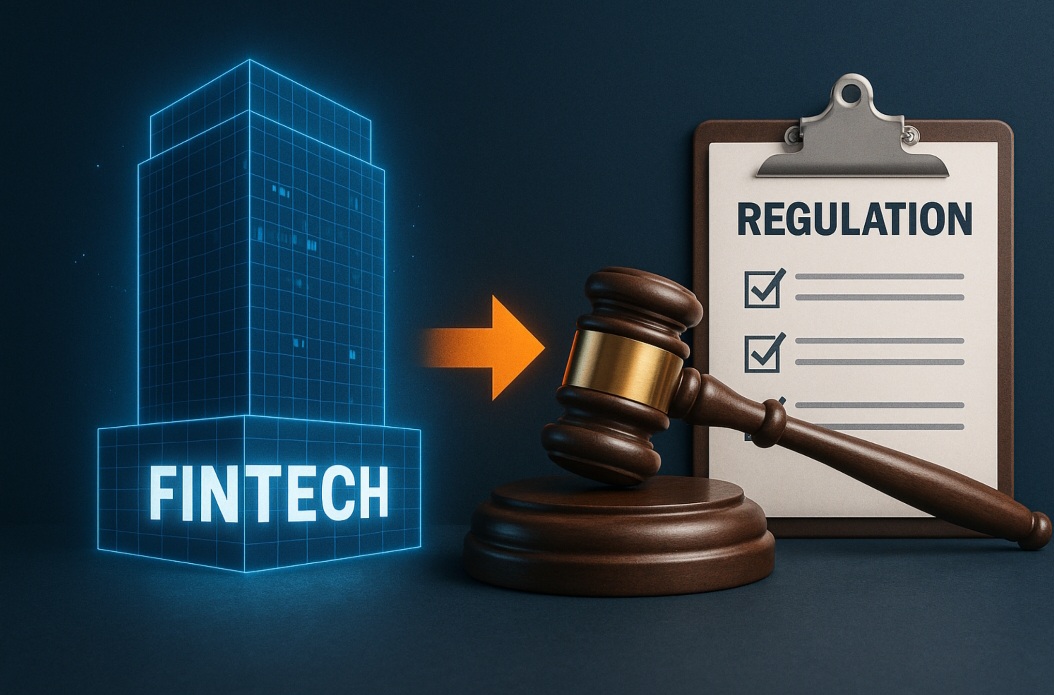
The Bank of Ghana has officially rolled out a Digital Credit Services Provider (DCSP) license, giving digital lenders in the country their own regulatory framework for the first time. This move is seen as a significant step in aligning financial regulation with Africa’s fast-growing fintech sector.
Ending Years of Regulatory Uncertainty
Until now, digital lenders operated in a grey zone, trying to fit under licenses built for traditional institutions such as the Non-Bank Financial Institution (NBFI) license or partnering with banks and telcos under Payment Service Provider (PSP) and PFTSP licenses. These frameworks were never fully designed for digital credit, creating delays in product launches and limiting fintech innovation.
The new DCSP license, effective November 1, 2025, provides fintechs with direct authority to:
- Lend directly as the lender of record.
- Own products end-to-end, from risk models to customer experience.
- Launch faster, without mandatory reliance on bank approvals.
- Still partner with banks or telcos strategically, when necessary.
Key Requirements for Fintechs
According to the Bank of Ghana, digital lenders seeking a DCSP license must meet strict criteria to ensure market safety and consumer protection, including:
- Capital: Minimum paid-up capital of GHS 2 million with an 8:1 gearing ratio.
- Ownership: At least 30% Ghanaian equity, with no single entity holding over 90%.
- Governance: Fit-and-proper directors and strong risk management.
- Tech & Reporting: Tested ICT systems with fraud monitoring and full regulatory reporting access.
- Consumer Protection: Transparent loan terms, fair collection practices, and timely complaint resolution.
These measures aim to strike a balance—supporting innovation while protecting consumers from predatory practices and over-indebtedness.
Why It Matters
Industry experts say the license represents more than compliance—it is a sign of empowerment for Africa’s fintech ecosystem. By granting digital lenders autonomy, Ghana positions itself as a leader in financial innovation regulation across the continent.
- For fintechs, the license offers clarity, product control, and faster time-to-market.
- For telcos, it opens opportunities for stronger partnerships without taking on credit risk.
- For consumers, it promises better products, faster access, and stronger data protection.
A Continental Signal
The DCSP license also has implications beyond Ghana. It provides a model other African regulators may adopt as fintech lending continues to expand. With Africa already leading globally in mobile money adoption, the move could help position the continent as a serious player in global fintech regulation.
Looking Ahead
While execution and supervision will be critical—especially in monitoring risk models, preventing predatory pricing, and ensuring consumer safety—industry observers see the DCSP license as a turning point.
By creating a framework tailored specifically for digital credit, Ghana is not only strengthening its financial system but also setting a precedent that could accelerate Africa’s digital economy on a continental scale.